Driving in the UK as a Nigerian: A Complete Guide

If you are a Nigerian living in the UK or preparing to relocate, gaining the ability to drive can significantly enhance your independence and daily life. Whether for commuting to work, running errands, family outings, or exploring the countryside, driving opens up new opportunities and greater convenience in your new environment.
Coming from Nigeria, where vehicles drive on the right side of the road, the transition to left-side driving in the UK, with steering wheels on the right, complex roundabouts, and stricter enforcement, can present initial challenges. However, countless Nigerians have successfully adapted and now drive confidently across cities like London, Manchester, Birmingham, and beyond.
This guide provides clear, up-to-date information tailored to Nigerian migrants, drawn directly from official UK government sources. It covers the process step by step, from obtaining a provisional license to using your Nigerian license and passing the required tests.
Who Handles Driving in the UK?
In Great Britain (England, Scotland, and Wales):
- The DVLA (Driver and Vehicle Licensing Agency) manages driving licences, vehicle registration, taxation, and administrative matters.
- The DVSA (Driver and Vehicle Standards Agency) oversees road safety, including instructor approvals, driving tests, and vehicle inspections.
In Northern Ireland, the DVA (Driver and Vehicle Agency) handles licences and tests. While rules are broadly similar, check their site for any regional differences.
Key official resources:
- General driving information (DVLA): https://www.gov.uk/browse/driving
- Learning to drive and tests (DVSA): https://www.gov.uk/browse/driving/learning-to-drive
Step 1: Apply for Your Provisional Licence to Begin Lessons
You may learn to drive a car at age 17 (or a moped at 16). You can apply for a provisional licence from 15 years and 9 months old. This allows supervised lessons and practice.
Requirements in Great Britain include:
- Valid photo identification (your Nigerian passport is suitable).
- Proof of permission to live in Great Britain for at least 185 days (such as visa or immigration status documents).
- UK address history (covering up to the last 3 years where requested).
- National Insurance number (if you have one).
- Passing an eyesight test: read a number plate from 20 metres away.
- Application fee: £34 online (recommended for speed and cost savings) or £43 by post (using form D1 from Post Offices).
Apply online here: https://www.gov.uk/apply-first-provisional-driving-licence
For Northern Ireland, refer to nidirect.gov.uk for the separate application process.
Step 2: Pass the Theory and Practical Tests for Your Full Licence
Once you have completed sufficient lessons (consider instructors experienced with international learners), book and pass the theory test first, followed by the practical.
Theory Test (£23 for cars):
Consists of multiple-choice questions on the Highway Code and a hazard perception section (video-based identification of risks). Free official practice tests are available online. A pass certificate is issued (valid for 2 years) and required to book the practical test.
Book here: https://www.gov.uk/book-theory-test
Practical Test (approximately 40 minutes):
Includes an eyesight check, “show me, tell me” vehicle safety questions, general driving ability, reversing manoeuvres, and independent driving (following road signs or a sat nav).
Fees: £62 on weekdays, £75 on evenings, weekends, or bank holidays.
Book here: https://www.gov.uk/book-driving-test
From spring 2026, updated booking rules ensure fairer access for learners (direct personal booking on GOV.UK). Test slots can fill quickly, so plan ahead.
Northern Ireland details: https://www.nidirect.gov.uk/articles/driving-tests
Using Your Nigerian Driving Licence in the UK
You can drive legally upon arrival or residency.
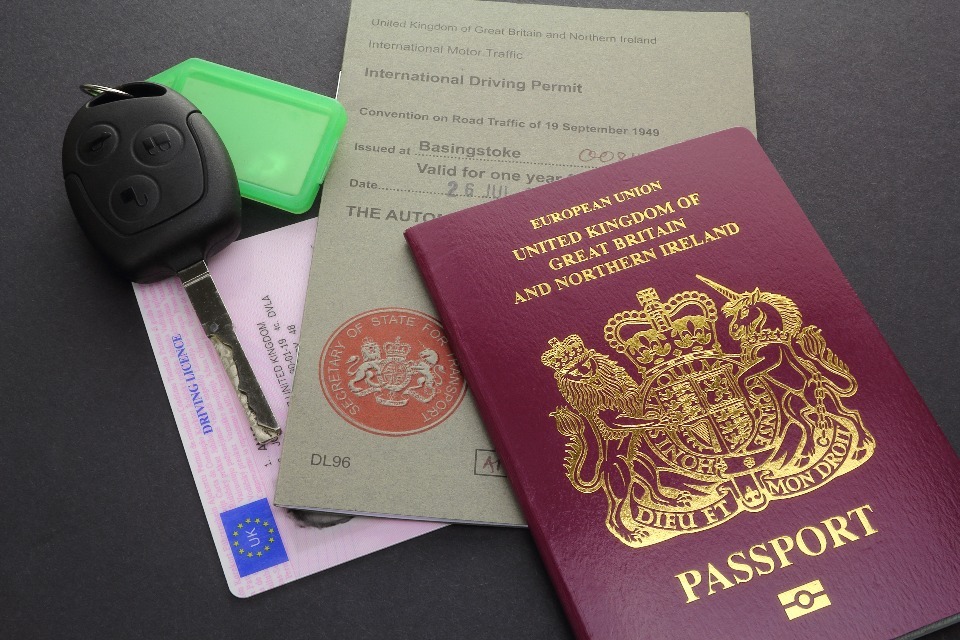
A full, valid Nigerian driving licence allows you to drive for up to 12 months from the date you become a UK resident (or enter as a visitor). An International Driving Permit (IDP) is recommended if your licence is not in English, as it assists with insurance requirements or police checks.
After 12 months, no direct exchange is available. Nigeria is not a designated country for licence exchange (unlike Australia or Canada). You must apply for a provisional licence and pass both the theory and practical tests to obtain a full UK licence.
Full details: https://www.gov.uk/driving-nongb-licence
Always carry your licence and valid insurance documentation.
Practical Tips for Driving in the UK as a Nigerian
The adjustment takes time: roads are driven on the left, roundabouts circulate clockwise, and urban areas may include congestion charges or low-emission zones (check signage or navigation apps).
Begin with quieter roads or structured lessons to build familiarity. With practice, the differences become second nature, and many find UK driving calmer and more predictable than Nigerian traffic.
You are well-equipped to succeed. Safe driving, and enjoy the freedom the UK roads offer.
Quick FAQs
How do I obtain a full UK licence? Apply for a provisional, complete lessons, pass the theory test (£23), then the practical (£62–£75).
Can learner drivers use motorways? In Great Britain, yes with a DVSA-approved instructor in a dual-control car. Not permitted in Northern Ireland.
Is an IDP required? Not mandatory, but advisable for non-English licences, especially for insurance or initial police interactions.
How does this compare to other licences? Similar to US licences: 12 months allowed, then tests required (exchange may apply in eligible cases).


