Banknotes: Small Pieces of Paper That Tell Big National Stories

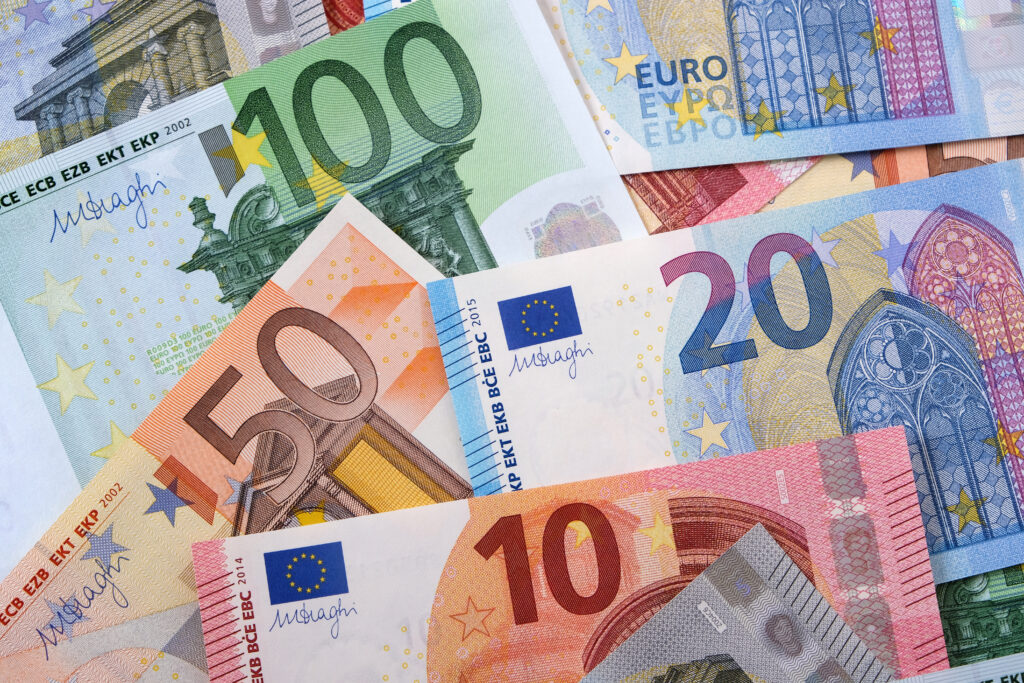
Paper money is much more than a tool for buying and selling. Every banknote carries a story about the country that created it. From historical figures and cultural symbols to wildlife and famous landmarks, the designs on banknotes reflect what a nation values most.
If you look closely at currencies from around the world, you’ll notice they offer quick glimpses into a country’s identity. They highlight the people, landscapes, traditions, and achievements that shape national pride. In many ways, studying banknotes is like taking a short cultural journey across different parts of the world.
Historical Figures Often Take Center Stage
Many countries place influential national figures on their banknotes to honor the people who shaped their history.
In the United States, presidents such as George Washington and Abraham Lincoln appear on commonly used bills, reinforcing their lasting impact on American leadership and democracy.
Canada has taken a broader approach by celebrating a wider range of historical figures. For example, civil rights activist Viola Desmond appears on the Canadian $10 note, recognizing her role in challenging racial segregation.
In the United Kingdom, the current £10 note features renowned novelist Jane Austen on the reverse, while the front carries the portrait of King Charles III (updated series entered circulation in 2024). The note highlights the country’s appreciation for both leadership and literary heritage.
In many nations that gained independence through struggle, revolutionary leaders frequently appear on banknotes. Their presence serves as a daily reminder of the sacrifices that shaped the country’s freedom.
Growing Representation of Women on Currency
The presence of women on banknotes has historically been limited, but this is gradually changing as countries aim to represent a broader range of contributors to society.
Australia has made notable progress in this area. Every current Australian banknote features a prominent woman on one side. Figures such as social reformer Edith Cowan have been recognized for their contributions to public life. You can explore the full series on the Reserve Bank of Australia website.
More countries are beginning to follow similar paths by including influential women from fields such as activism, politics, science, and the arts. While representation remains limited globally (recent analyses show only about 7-15% of banknotes feature named women), these changes reflect a growing effort to recognize a more diverse group of national contributors. Recent examples include new issuances in places like Peru, Samoa, and Jamaica honoring women leaders and figures.
Cultural Symbols Hidden in Plain Sight
Banknote designs often include artistic patterns, symbols, and cultural references that reflect the traditions and identity of a nation.
For example, banknotes from many Muslim-majority countries incorporate intricate Islamic geometric patterns, a style deeply rooted in traditional art and architecture.
In New Zealand, the “Brighter Money” Series 7 banknotes feature native wildlife along with Māori language and design elements, highlighting the country’s bicultural heritage. These designs include references to Aotearoa (the Māori name for New Zealand), increased use of te reo Māori (such as bird names like whio and hoiho), and brighter, clearer polymer notes with enhanced security.
Traditional textiles, musical instruments, or decorative patterns are also commonly used to celebrate a nation’s artistic heritage.
Landscapes That Represent National Pride
Many countries use their banknotes to showcase iconic landscapes and natural landmarks.
In Switzerland, the dramatic Alpine scenery (often associated with peaks like the Matterhorn) symbolizes the country’s geography and national identity.
Island nations frequently highlight ocean environments and tropical scenery. Fiji’s newer banknote series emphasizes vibrant marine life, native plants, and cultural heritage, capturing the essence of the country’s natural beauty.
These visual elements can also strengthen tourism by placing famous scenery in the hands of people around the world.
Wildlife as a Symbol of National Heritage
Animals on banknotes are rarely chosen at random. They often represent species that hold cultural, ecological, or national significance.
In South Africa, banknotes feature the famous “Big Five” animals (lion, elephant, leopard, rhinoceros, and buffalo), now depicted with their young in family groups on the updated 2023 series, alongside the portrait of Nelson Mandela on the front. These animals symbolize both the country’s wildlife heritage and the importance of conservation.
Some countries also feature endangered species to raise awareness about conservation and environmental protection.
Economic Identity Reflected in Currency Design
Banknotes sometimes highlight the industries that drive a country’s economy.
Agricultural nations may feature crops, farmers, or rural landscapes to emphasize the importance of food production. Meanwhile, more industrialized economies might highlight bridges, transportation networks, scientific achievements, or modern architecture.
These design choices signal the areas where countries take pride in their development and future ambitions.
Banknotes Change as Societies Evolve
Currency designs do not stay the same forever. Most countries redesign their banknotes periodically to improve security and reflect evolving social values.
New banknotes often include advanced security features such as polymer materials, transparent windows, color-shifting ink, and tactile elements for accessibility.
Around the world, central banks regularly update their currency designs to keep them secure while also ensuring that the people, cultures, and symbols represented remain relevant to modern society.
Frequently Asked Questions About Banknotes
How often do countries redesign their banknotes?
Most countries update their banknotes every 10 to 20 years to introduce new security features and refresh their designs.
Why don’t banknotes usually feature living people?
Many countries prefer to honor historical figures who are no longer alive in order to avoid political controversies. Monarchs are a common exception.
Who decides what appears on a banknote?
Central banks and government committees typically oversee the process. In some cases, the public is invited to suggest themes or vote on designs.
Can currency design influence tourism?
Yes. Eye-catching banknotes featuring famous landmarks or wildlife can spark curiosity and encourage people to learn more about a country.
A Pocket-Sized Window into the World
Banknotes are often overlooked, but they are packed with meaning. Each one tells a story about a country’s past, its culture, and the people it chooses to celebrate.
The next time you come across foreign currency, take a moment to look at it more closely. The faces, animals, landmarks, and symbols printed on those small pieces of paper offer a surprisingly rich introduction to the identity of a nation.


