Getting Married in Britain: Traditions, Venues and Practical Advice

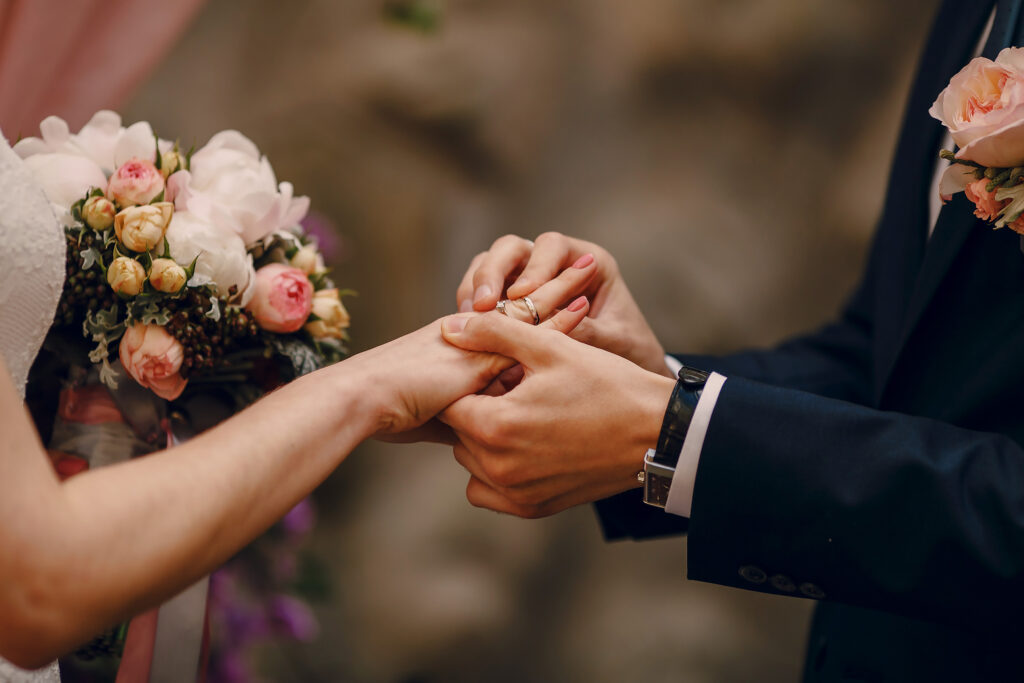
The UK overflows with romance, history, and stunning landscapes. From majestic castles and misty Scottish highlands to rolling Welsh hills, quaint villages, and London’s elegant hotels, this country offers the perfect setting for every wedding style you can imagine.
This guide walks you through everything you need to know: legal requirements, essential paperwork, current costs, popular venues, and beautiful traditions that will make your day truly special.
Types of Weddings in the UK
UK law recognises both civil and religious ceremonies. Civil weddings can take place at a register office or approved venues. Religious ceremonies are held in registered places of worship. Anglican, Jewish, and Quaker weddings have special legal provisions, while many other faiths can marry in approved religious buildings.
Same-sex couples can marry in civil ceremonies across the UK and convert civil partnerships into marriage. However, the Church of England and Church in Wales do not currently perform same-sex weddings.
Legal Requirements
- Both partners must be at least 18 years old.
- You must be free to marry (single and not in an existing marriage or civil partnership).
- Two witnesses are required on the day of the ceremony.
Getting Married in the UK as a Foreign Couple
International couples often need a Marriage Visitor visa to enter the UK specifically for the wedding. This visa allows you to give notice and marry within six months.
If both of you are from outside the UK, you will usually need visas even if you don’t require one for normal tourism. Requirements differ slightly between England, Scotland, Northern Ireland, and Wales, so always check with the local register office for your chosen location.
Official resource: GOV.UK – Marriages and civil partnerships for people from outside the UK
Helpful embassy links:
- Australia: British Consulate-General Sydney / Australian High Commission UK
- Canada: British High Commission Ottawa / Canadian High Commission UK
- Ireland: British Embassy Dublin / Embassy of Ireland in Great Britain
- United States: British Embassy Washington D.C. / US Embassy UK
Essential Paperwork and Process
You must give at least 29 days’ notice (and up to 12 months in advance) at the local register office in the district where you plan to marry.
Documents you will typically need:
- Valid passports (proof of name and nationality)
- Birth certificates (proof of age)
- Proof of any name changes
- Proof of address (utility bill or driving licence)
- Decree absolute if divorced
- Death certificate if widowed
- Visa details (if applicable)
- Wedding venue and date information
Fees (approximate):
- Notice fee: around £46–£63 per person
- Marriage certificate: £11–£12.50
Wedding Costs in the UK
The average wedding in the UK currently costs between £20,000 and £25,000, though this varies widely depending on location and style. London and luxury venues tend to be more expensive, while countryside or off-peak celebrations can be kinder on the budget.
Typical breakdown:
- Venue hire: £4,000–£8,000+
- Catering: £3,500–£7,000+
- Honeymoon: £4,000–£6,000+
- Drinks: £1,500+
- Wedding dress: £1,200–£2,000+
- Photography: £1,000–£2,000+
- Entertainment: £800–£1,500+
Money-saving tip: Use Wise for international transfers. You get the real exchange rate, low transparent fees, and a debit card to spend in pounds without opening a UK bank account.
Popular Wedding Venues in the UK
- Castle Howard, North Yorkshire: Elegant stately home and gardens, famous for film settings.
- Bamburgh Castle, Northumberland: Dramatic coastal fortress with legendary charm.
- The Savoy, London: Iconic luxury hotel with timeless Edwardian elegance.
- St. Pierre, Monmouthshire, Wales: Beautiful country club set in 400 acres of parkland.
- Plas Hafod, Flintshire, Wales: Charming 18th-century house with lovely gardens.
- The Carriage Rooms at Montalto, Northern Ireland: Fairytale venue with unique architecture.
- Dunvegan Castle, Isle of Skye, Scotland: Historic clan castle full of legends and beauty.
- Ulster Hall, Belfast: Grand cultural landmark with rich history.
Charming British Wedding Traditions
- Good Luck Charms: English brides often sew a small charm into their dress. Scottish brides traditionally carry a sixpence in their shoe or white heather in their bouquet.
- Luckenbooth Brooch: A beautiful silver brooch exchanged by Scottish couples during their engagement.
- Sugared Almond Favours: Five almonds given to guests, symbolising health, wealth, happiness, fertility, and long life.
- Receiving Line: The bridal party greets and thanks guests after the ceremony.
- Bagpipes: A stirring and unforgettable tradition at many Scottish and Northern Irish weddings.
From intimate pub receptions to grand estate celebrations, the UK has something perfect for every couple. Start planning early, especially with venue bookings and legal notices, and your British wedding will create memories that last a lifetime.


