How to Get British Citizenship Without Losing Your Passport

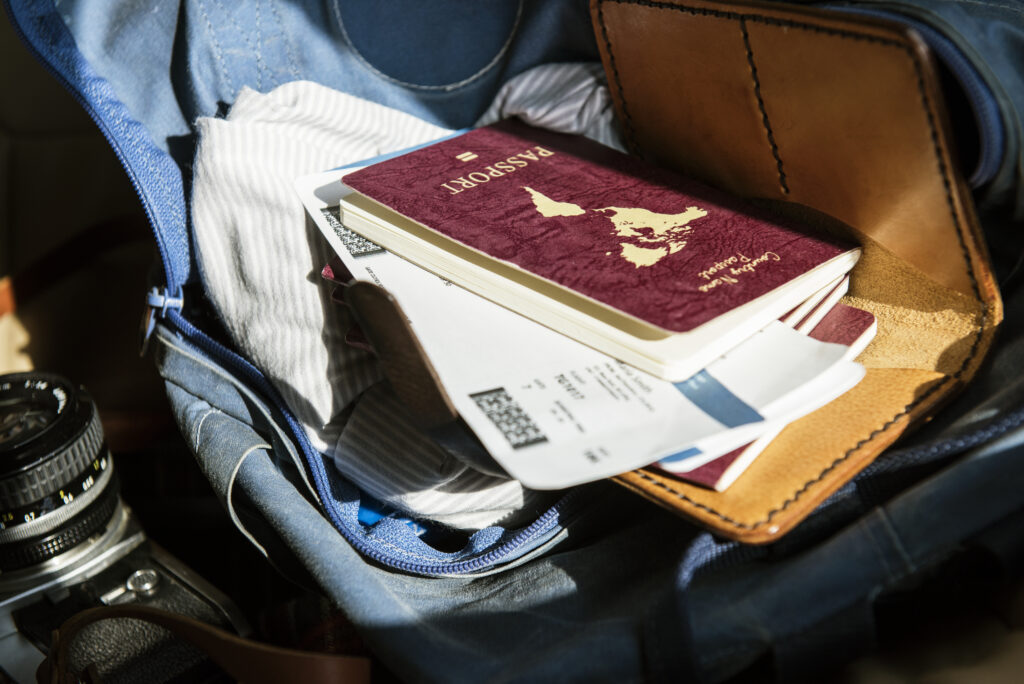
If you’re an expat living in the UK, British citizenship could be the game-changer you’ve been waiting for. Imagine coming and going as you please, voting in elections, accessing the full NHS, and holding one of the world’s most powerful passports all without giving up your original nationality.
The UK fully supports dual citizenship, but your home country’s rules are what truly count. This updated 2026 guide breaks it down clearly: who can apply, the real costs, step-by-step process, and how to avoid common pitfalls.
Does the UK Allow Dual Citizenship?
Yes. The United Kingdom has no restrictions on dual (or multiple) citizenship. When you naturalise as British, you can keep your existing nationality provided your home country allows it.
Many countries do, but some do not. Always check with your embassy or a qualified immigration lawyer before applying.
Countries That Generally Do Not Allow Dual Citizenship
Laws can change, so verify directly. Major examples include:
- China
- Japan
- Kuwait
- Myanmar
- Saudi Arabia
- Singapore
- Vietnam
Countries That Usually Allow Dual Citizenship with the UK
These nations generally permit it (with possible conditions like registration or age limits):
- Australia
- Belgium
- Canada
- France
- Greece
- Hungary
- Ireland
- Italy
- Pakistan (UK is approved)
- Portugal
- Sweden
- Switzerland
- United States
Can You Hold Triple or More Citizenships?
Absolutely. UK law sets no limit on the number of nationalities you can hold. Your other passports won’t harm your British application.
How Can You Lose British Citizenship?
You can voluntarily renounce it (for example, if your home country demands it). You must be over 18 and understand the consequences, which may include losing UK residency rights.
The Home Office can also strip citizenship in rare cases, usually for fraud or national security threats.
Simple Steps to Become a British Citizen
- Confirm you meet the eligibility rules (usually after Indefinite Leave to Remain).
- Live in the UK for the required period (5 years standard, or 3 years if married to a British citizen).
- Pass the Life in the UK Test.
- Prove your English language ability (B1 level or equivalent).
- Submit your online application and pay the fee.
- Provide biometrics.
- Attend a citizenship ceremony if approved.
Processing time usually takes several months.
Current Costs (2026)
- Naturalisation application fee: £1,709
- Citizenship ceremony: £130
- Life in the UK Test: £50
- English test (if required): £150–£200+
Realistic total: £2,000–£3,000+ including extras and possible legal help. It’s a serious investment with lifelong rewards.
Important 2026 update: From 25 February, dual British citizens must use a valid British passport (or Certificate of Entitlement) to enter the UK. You can no longer rely only on your other passport.
Do You Need to Tell Your Home Country?
It depends on their laws. The UK does not require it, but your original country might. Check with their consulate first to stay on the safe side.
British citizenship offers freedom, security, and a true sense of belonging. Many expats describe it as one of the best decisions they ever made for themselves and their families.
Ready to explore your options? Start here: Apply for British citizenship on GOV.UK


