Weather Survival Kit for Nigerians Moving to the UK

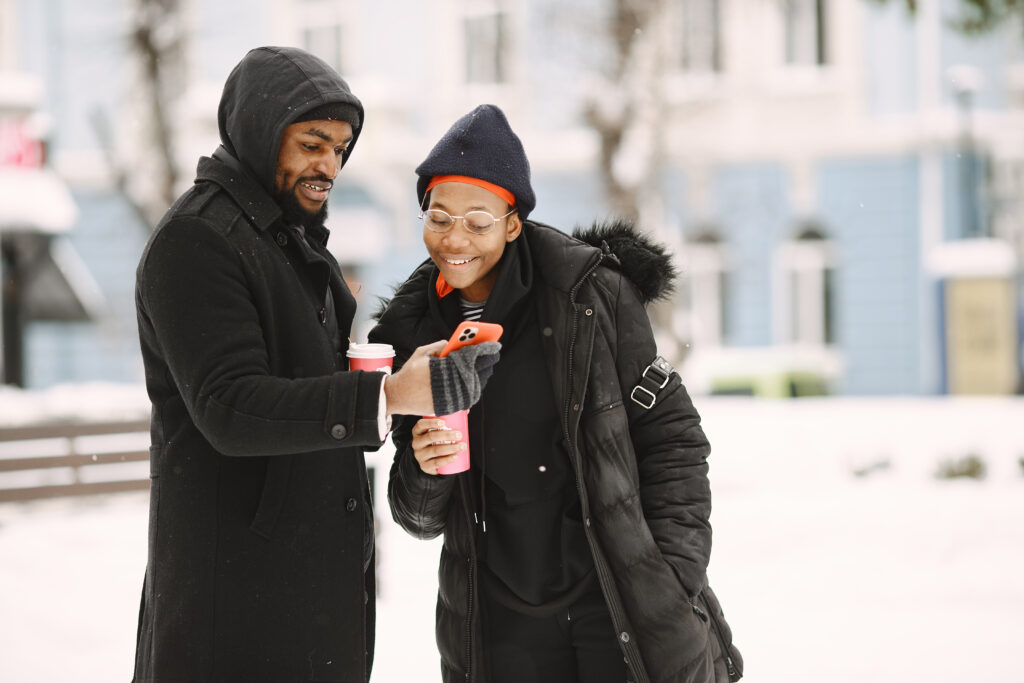
Leaving the steady heat and bright skies of Nigeria for the UK means more than a change of address. It means learning a new relationship with the weather: mild yet changeable, often grey, frequently wet, and cooler than anything most of us grew up with. The good news is that with a few deliberate choices, the transition becomes manageable rather than overwhelming.
What the UK Weather Actually Feels Like
The UK has a temperate maritime climate. Winters are rarely extreme by global standards, yet they feel long and damp. Summers are mild and unpredictable. Rain can arrive in short sharp showers or persistent drizzle, and temperatures can shift several degrees in a single day. For someone used to Lagos or Abuja heat, the cold settles into the bones differently, and the shorter daylight hours in winter can affect mood and energy.
The Met Office remains the most reliable source for forecasts and seasonal outlooks. Checking it becomes a useful daily habit.
The Core Survival Kit
Focus on quality over quantity. Many heavy items are cheaper and better suited to local conditions once you arrive.
Clothing essentials
- A proper waterproof, windproof jacket with a hood (not a fashion coat)
- Thermal base layers or good quality long-sleeved tops
- Several mid-layer jumpers or fleeces that can be added or removed
- Waterproof or water-resistant walking shoes and one pair of sturdy boots
- Warm socks, a scarf, gloves and a beanie for winter
- Lightweight layers for milder days
Layering is the single most useful skill. Start with a base layer, add a mid-layer, and finish with a waterproof outer shell. You can adjust throughout the day as the weather shifts. University guides and student support pages consistently recommend this approach.
Practical extras
- A compact, sturdy umbrella that can handle wind
- A reusable water bottle (indoor heating dries the air)
- Moisturiser and lip balm for the drier indoor environment
- Vitamin D supplements
Health and Energy Matter Too
People with darker skin are at higher risk of vitamin D deficiency in the UK because sunlight is weaker and available for fewer months. The NHS advises a daily 10-microgram (400 IU) supplement, and many with African or African-Caribbean heritage benefit from taking it year-round rather than only in autumn and winter.
Indoor heating can dry skin and airways. Stay hydrated and moisturise. If the shorter days affect your mood, talk to your GP early. Support is available and common.
Smart Arrival Strategy
Do not overpack heavy winter coats from Nigeria. Quality outerwear is widely available and often better value in the UK. Bring a few versatile warm pieces, then buy the rest after you arrive and see what the local climate actually demands. Campus shops, high-street retailers and charity shops offer practical options at different price points.
Check your accommodation’s heating system early and learn how to use it efficiently. A warm home makes the outdoor weather far more tolerable.
The Human Side
The first winter can feel isolating. Grey skies and early darkness are real. Building routines that include daylight walks when possible, connecting with other Nigerians in the UK, and treating the weather as something to prepare for rather than endure helps. Many people find that after one full year the climate becomes familiar rather than foreign.
Preparation does not remove the adjustment, but it softens it. Pack thoughtfully, layer deliberately, protect your health, and give yourself time. The UK weather is rarely dramatic. With the right kit and a realistic mindset, it simply becomes part of the landscape of a new chapter.


