Passports vs. Visas: Essential Travel Guide for African Migrants in 2026

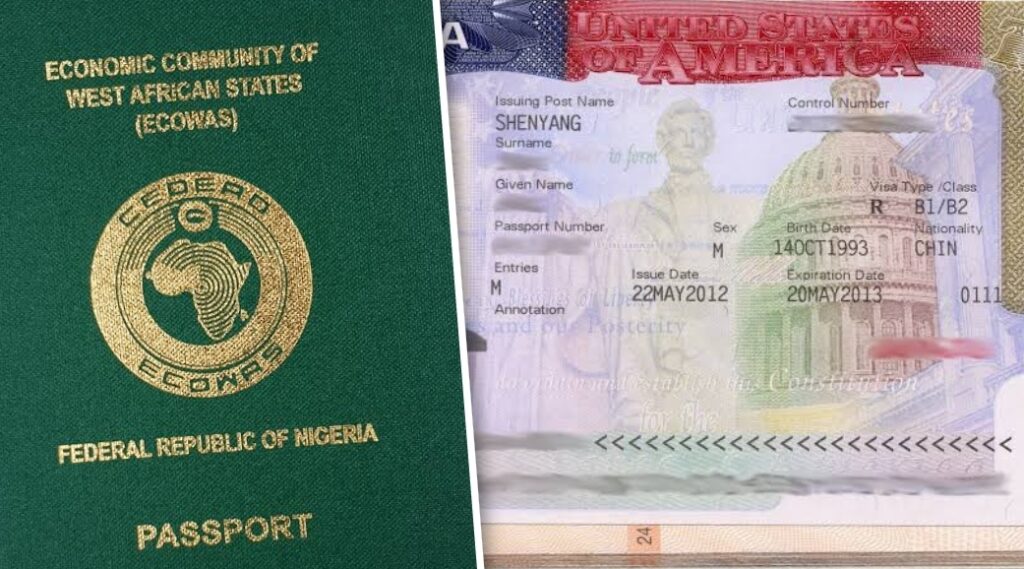
Planning your next international trip as an African migrant? Sorting out travel documents like passports and visas can feel overwhelming, especially when you’re navigating requirements from your home country while living or planning to move abroad. Many Africans, including Nigerians and others from the continent, face unique challenges due to varying visa policies, passport strength, and recent global changes. This guide explains the differences between passports and visas in clear terms, with the latest details as of February 2026, so you can prepare confidently and avoid surprises at the border.
Understanding the Basics of International Travel Documents
For most international trips, your key documents are a passport and sometimes a visa. A passport is your government’s official proof of who you are and your citizenship, letting you leave your home country and return. It’s like your global ID card.
A visa is permission from the country you’re visiting to enter their borders for a specific reason and time. Not every destination requires one. Some allow visa-free entry, but when needed, it’s usually a stamp or sticker in your passport.
These rules apply worldwide, but they vary by your citizenship. For example, Nigerian, Ghanaian, or other African passports often have fewer visa-free options than stronger ones.
What Is a Passport?
A passport is an official booklet issued by your home country’s government. It proves your identity and citizenship, with details like your name, photo, birth date, and an electronic chip for security.
For many Africans, especially Nigerians, passports are issued by the Nigeria Immigration Service (NIS) through their online portal at passport.immigration.gov.ng. Validity is typically 5 to 10 years depending on age and type (now including 10-year options for adults), but always check your expiration.
You need a valid passport for almost all international travel by air, land, or sea. Without one, you can’t board most flights or re-enter your home country. Many countries also require your passport to be valid for at least 6 months beyond your planned departure date from their territory (the “six-month rule”), though some exemptions exist.
To apply or renew in Nigeria:
- Complete the online form on the NIS portal.
- Upload proof of citizenship (e.g., birth certificate from the National Population Commission or declaration of age).
- Provide a state of origin certificate, ID, and passport photo.
- Pay fees and book an appointment for biometrics.
Processing can take weeks to months, so start early. For first-time applicants or renewals, gather originals or certified copies, no photocopies. A valid National Identification Number (NIN) is now mandatory.
What Is a Visa?
A visa is approval from the destination country to enter, usually added to your passport. It specifies your purpose (tourism, work, study) and how long you can stay. Overstaying or misusing it can lead to fines, bans, or deportation.
Types include:
- Tourist visa for vacations or short visits.
- Business visa for meetings, conferences, or trade.
- Student visa for studying abroad.
- Work visa for employment.
- Transit visa for layovers.
- Some countries offer e-visas (applied online) or visa-on-arrival.
Requirements vary by country and your nationality. You’ll typically need your passport, photos, application form, proof of funds, itinerary, and sometimes invitations or ties to home.
Apply through the destination’s embassy, consulate, or online portal well in advance. Processing can take days to months.
Key Differences Between Passport and Visa
- Issuer: Passport from your home government; visa from the destination country’s government.
- Purpose: Passport proves identity and lets you exit/re-enter home; visa grants entry permission to another country.
- Requirement: Passport is almost always mandatory; visa depends on destination and citizenship.
You usually need a valid passport before applying for a visa.
When Do You Need Only a Passport vs. Both?
It depends on your citizenship and destination. Many African passports (like Nigeria’s) rank lower on global indexes. In the 2026 Henley Passport Index (latest February update), Nigeria ranks around 87th to 89th, with visa-free or visa-on-arrival access to about 44 to 52 destinations (sources vary slightly by methodology, e.g., Henley reports 44, Passport Index around 52 including VOA/eTA).
For Nigerians and similar passports, visa-free or easy-access spots often include:
- Many West African/ECOWAS countries (e.g., Ghana, Benin, Togo, Senegal, up to 90 days).
- Some Caribbean (e.g., Barbados, Dominica).
- Others like Cambodia, Fiji, Vanuatu, or Timor-Leste.
Popular visa-free examples for many Africans: Benin, Burkina Faso, Ghana, Gambia, Niger, and more in Africa; plus scattered spots in the Caribbean and Pacific.
For stricter destinations (e.g., Europe/Schengen, US, Canada, China, Russia, India), a visa is usually required. Recent 2026 changes have significantly tightened US access for many African nationalities, including Nigeria:
- Partial suspension of nonimmigrant B-1/B-2 visitor visas and some student/exchange visas under Presidential Proclamation 10998 (effective January 2026).
- Up to $15,000 visa bond required for certain B1/B2 approvals.
- Paused immigrant visa issuances for high public benefits risk countries (including Nigeria, effective January 21, 2026).
- Always verify via official sources like travel.state.gov or the US Embassy in Nigeria.
Some places use electronic systems (e.g., eTA or e-visa) instead of traditional visas.
Application Processes: Passport vs. Visa
Passport applications are handled by your home authority (e.g., NIS in Nigeria), standardized, with fixed fees and timelines.
Visa applications go through the destination’s embassy/consulate. Requirements, fees, and wait times vary widely. For example:
- Tourist visas might cost $50 to $300+.
- Processing: days (e-visa) to months.
Common pitfalls: Applying too late, incomplete docs, or ignoring validity rules. Check official embassy sites or tools like the IATA Travel Centre.
Tips to Avoid Issues
- Renew passports early. Many countries enforce the 6-month validity rule.
- Research your specific nationality’s requirements (e.g., via embassy websites).
- Gather strong proof of ties to home (jobs, family) for visa apps.
- Track changes. Policies shift, especially for high-demand destinations like the US.
Understanding these documents helps make travel smoother, whether you’re visiting family, working, or exploring.


